Quick Summary
- Start with your firm type and services, because the rules follow from them.
- Every point needs proof you can open in two minutes.
- Marketing, records and the annual review are the most common gaps.
- Run the full list yearly and after any change in services or vendors.
An SEC compliance checklist works when it matches the way examiners actually read a firm: start with the compliance program, then check what is written, then check whether people followed it. I use the ten points below as the opening of every SEC compliance consulting project. They are written mainly for registered investment advisers, and most points carry over to other registrants with small changes.
Each point lists what to have, the proof to keep and where firms usually slip. Use the table to see the whole list, then read the sections that apply to you. For the wider picture, my SEC compliance guide explains who is regulated and why.
The 10 Points at a Glance
| Point | What to have | Proof to keep |
|---|---|---|
| 1. Scope and status | A clear view of what you are registered for and what you offer | Registration records and a services list |
| 2. Compliance program and CCO | Written policies and a named chief compliance officer | Approved manual and CCO designation |
| 3. Annual review | A documented review of the program | Dated review report and follow-up list |
| 4. Code of ethics | Standards and personal trading rules | Signed attestations and trading reports |
| 5. Books and records | A records map and retention rules | Index of records and storage locations |
| 6. Marketing | An approval process for every advertisement | Approved ads with sign-off and support files |
| 7. Custody and client assets | A view of where client assets sit and who controls them | Custody analysis and statements |
| 8. Filings and disclosures | A filing calendar for Form ADV and others | Filed forms and calendar |
| 9. Privacy and cybersecurity | Safeguards and an incident plan | Policies, access reviews and test results |
| 10. Training and exam readiness | Training plus a ready evidence folder | Training logs and a mock request result |
1. Confirm Your Scope and Registration Status
Write down what you are: an SEC-registered adviser, a state-registered adviser, an exempt reporting adviser, a broker-dealer, a fund or a public company. Then list your services, client types and the products you use. The rules that apply follow from those facts, and many firms carry assumptions from the day they registered that no longer fit.
Revisit the list whenever you add a service, such as discretionary management, private funds or a new client group. The common slip is a firm that grew past a threshold and kept running a program built for its earlier size. Ask counsel to confirm your status if anything changed.
2. Write a Compliance Program and Name a CCO
Advisers registered with the SEC must adopt written policies and procedures reasonably designed to prevent violations of the Advisers Act, and must designate a chief compliance officer. The text is in Rule 206(4)-7. The program needs to cover the risks that fit your business, so a copy of a generic manual does not meet the intent.
Cover at least portfolio management, trading, advertising, custody, valuation where relevant, books and records, privacy and business continuity. Name an owner per policy, and give the CCO authority and access to leadership. A CCO with no power to say no is a weak control.
- Manual approved by leadership with a date
- CCO designated in writing, with a backup named
- Each policy has an owner and a review date
3. Run and Document the Annual Review
The same rule requires a review at least once a year of the adequacy of your policies and how well they are working. Treat it as a project: pick the areas, test a sample, record findings and track fixes. A review that exists only as a meeting is hard to defend.
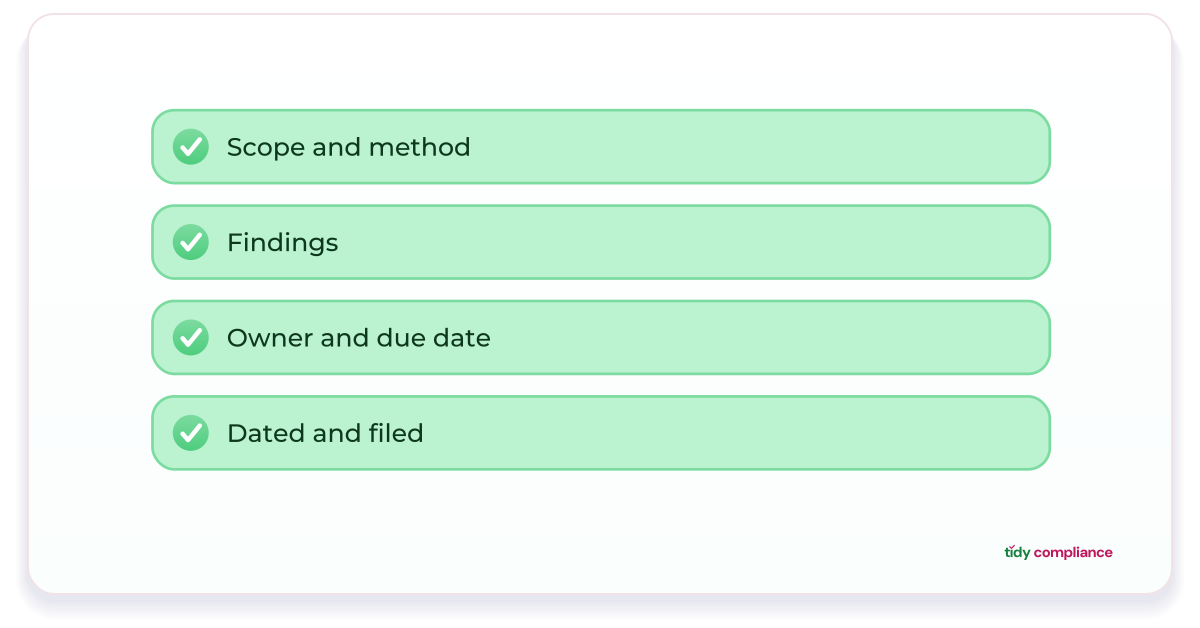
Write a short report with scope, method, findings and actions, and date it. Keep supporting files in one folder. In my client work the review itself is rarely missing. What is missing is the evidence that the findings were closed.
4. Set Up the Code of Ethics and Personal Trading Rules
Registered advisers need a code of ethics that sets standards of conduct, requires compliance with securities laws and covers personal securities reporting by access persons. Define who your access persons are, collect holdings and transaction reports on schedule and keep pre-clearance records where you require them.
Test the reports. Compare a sample of personal trades with the firm's own trading, looking for front-running or trading in restricted names. Keep an exceptions log with what you found and what you did.
5. Map Your Books and Records
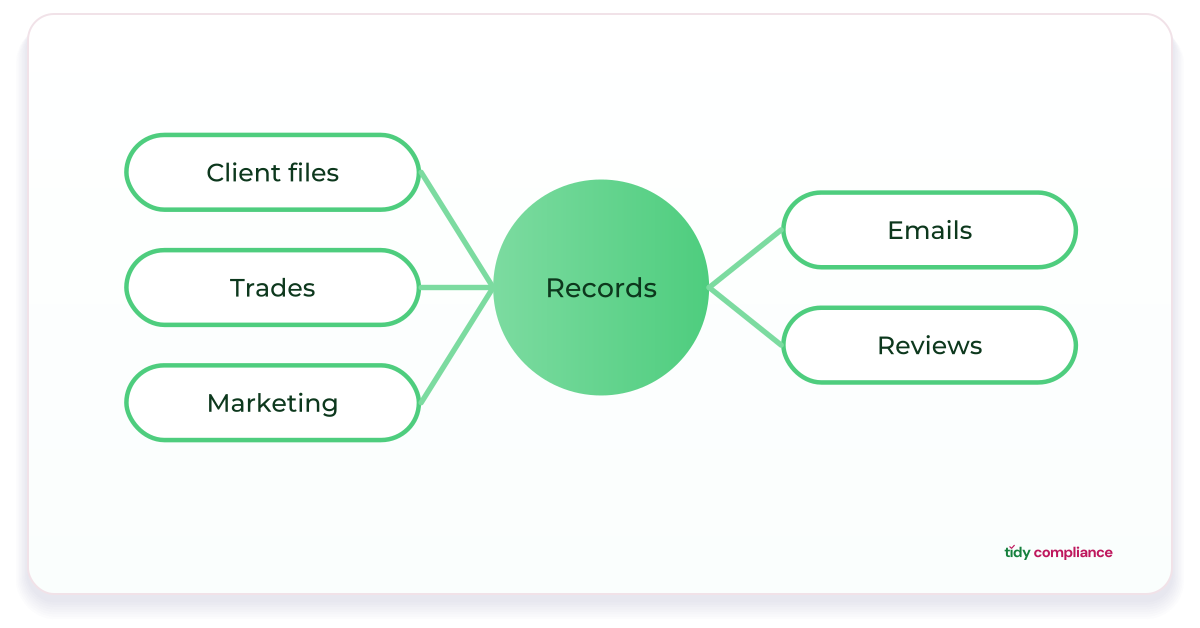
Advisers must keep a defined set of records, and they must be organized and available. Create a map: each required record, where it lives, who owns it and how long you keep it. Cover email and messaging records, trade blotters, client agreements, advertisements and compliance files.
Retention periods are in the recordkeeping rule, and counsel should confirm them for your firm type. Test retrieval once a year by asking for a sample of records from three years ago and timing how long it takes.
6. Control Marketing Before It Goes Out
The Marketing Rule covers advertisements, testimonials, endorsements, third-party ratings and performance. The SEC summarizes the key requirements in its small entity compliance guide: advertisements cannot be misleading, material claims need support, risks must be treated fairly and performance must be presented fairly. Copies of advertisements must be kept.
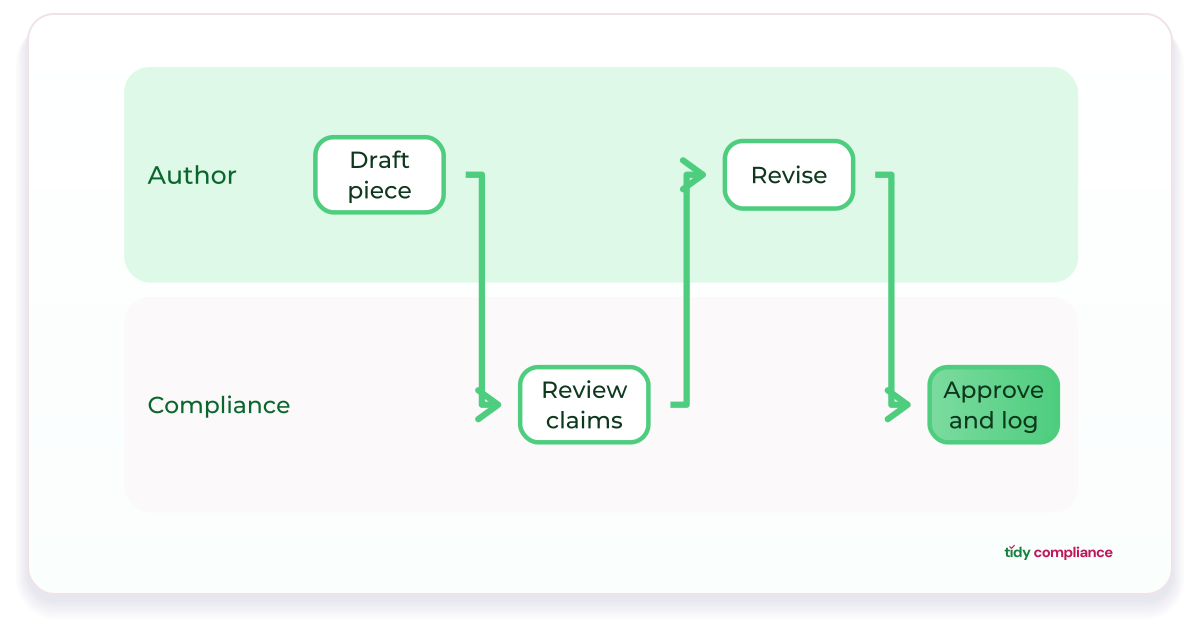
Create a simple approval workflow. Every website change, pitch deck, social post and email campaign goes to the CCO or a designee, with sign-off and the supporting data attached. Websites are the area firms overlook, because nobody calls a page edit an advertisement.
7. Review Custody and Client Assets
Custody has specific rules, with different outcomes for qualified custodians, standing letters of authority and fee deduction. List every account where you or a related person can access client assets. Keep a short analysis for each arrangement that explains whether it is custody and what follows.
Where custody applies, check the steps your firm must take, such as account statements and surprise examinations when required. If you rely on an exception, record the facts that support it.
8. Keep a Filing Calendar
Create a calendar of every recurring filing: the annual Form ADV update, Form CRS where required, Form PF for certain private fund advisers, and any holdings or ownership reports that apply to you. Name an owner for each filing and a reviewer.
Check each filing against your actual business. Mismatches between Form ADV and what you really do, such as assets under management, fees or conflicts, are a common finding. Keep a copy of each submission with its date.
9. Protect Client Data and Test Your Defenses
You must protect client information, and the rules around safeguarding and incident response have been strengthened in recent years. Amendments adopted by the SEC in 2024 add incident response and customer notification requirements, and compliance dates vary by firm size, so check the current dates with counsel.
Keep an access list, review it quarterly, enforce multi-factor authentication and test your incident plan with a short tabletop exercise. If you use a cloud portfolio system or a custodian portal, include vendor oversight in the file. My cluster article on SEC compliance best practices adds habits that make the controls stick.
10. Train Your Team and Prove You Are Exam-Ready
Train staff when they join and at least yearly, with extra sessions on advertising, personal trading and communications. Keep attendance and test results. Then pull the evidence into one folder that you could hand over within a day.
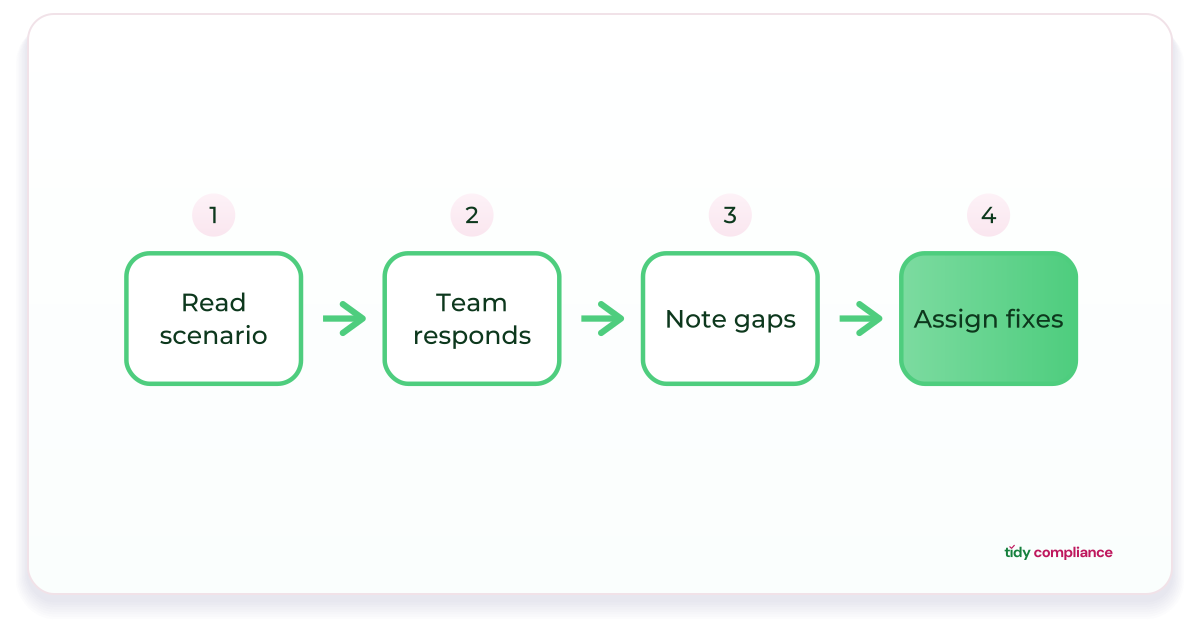
Run a mock document request: ask a colleague to request ten items you would expect from an examiner and measure the time. The result usually shows which records are scattered. A formal review of the same material is what an SEC compliance audit does, and the Division of Examinations describes its work on its exam page.
Who Owns Which Point
Checklists fail when everybody is responsible. Give each point a lead role and a backup, and write both on the list. In a small adviser, the CCO often leads most points, and that is fine if the people who do the work agree to supply the evidence.
| Point | Lead role | Needs input from |
|---|---|---|
| Scope and status | CCO | Managing partner |
| Program and annual review | CCO | Operations, trading |
| Code of ethics | CCO | All access persons |
| Books and records | Operations | IT, vendors |
| Marketing | CCO | Marketing, portfolio managers |
| Custody and filings | Operations or finance | CCO, custodians |
| Data protection | IT or security lead | Vendors, CCO |
If one person holds all roles, add a periodic independent check. An outside reviewer or a trusted colleague can spot-check three items a year and write down what they saw. That record is worth more than another internal tick.
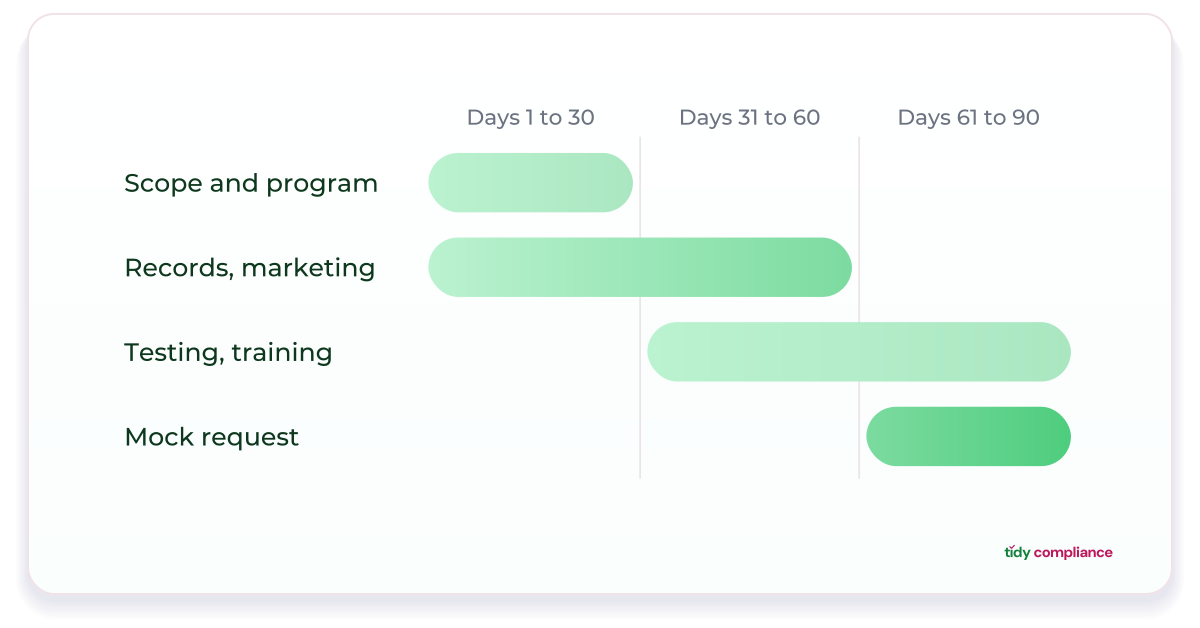
A 90-Day Order of Work
| Weeks | Focus | Result you can show |
|---|---|---|
| 1 to 3 | Scope, program review and records map | Scope note and records map |
| 4 to 6 | Marketing approval and code of ethics testing | Approval log and trading exception log |
| 7 to 9 | Custody, filings and data protection | Custody notes, filing calendar, access review |
| 10 to 13 | Training and a mock request | Training log and request timing |
Expect delays where other people hold records, such as custodians and vendors. Start those requests first. A firm that works through this once can then run it yearly as a quick review of what changed.
Using the Checklist Without Fooling Yourself
A checklist creates false comfort when every box is ticked on paper. Ask for proof next to each point and have someone outside the team spot check three items a year. If you want an outside view, a gap assessment compares your answers with the rules and ranks what is missing. Software can keep the records and reminders in one place, and my ranking of SEC compliance software shows which tools fit which firm.
- Each point has a named owner
- Each point has a dated record you can open in under two minutes
- Open items are in an action list with dates
Sources
SEC: Marketing Rule small entity compliance guide, SEC Division of Examinations, eCFR: Rule 206(4)-7, compliance programs of investment advisers.
Questions About the SEC Compliance Checklist
What Is on an SEC Compliance Checklist?
A compliance program and CCO, an annual review, a code of ethics, books and records, marketing approval, custody review, filings, data protection, training and an exam-ready evidence folder.
Who Must Follow This Checklist?
It is written for SEC-registered investment advisers. Broker-dealers, funds and public companies face other rules, so the structure carries over but some points change. Ask counsel which rules apply to you.
How Often Should I Review the Checklist?
Run the full list once a year as part of the annual review, and re-check individual points when you add a service, change a vendor or when rules change.
Do Small Advisers Need All Ten Points?
The points apply, but the effort scales. A small adviser can run the records map and marketing approval in a spreadsheet and a shared folder.
What Do Examiners Look at First?
They usually begin with your compliance program, your annual review and your recent filings, then sample records. Read the Division of Examinations' latest published priorities for current areas of focus.
Can a Checklist Replace a Compliance Consultant?
It covers the structure. A consultant adds testing, tailoring and an outside view, which is useful before an exam or after growth. Many firms use the checklist for routine reviews and call in help for gap assessments.
What Is the Most Common Gap?
Evidence. Firms have policies and do the work, but cannot show dated records of reviews, approvals and testing.
Disclaimer: This article is general information about SEC compliance and is not legal advice. Which rules apply depends on your firm type, size and services, and rules and exam priorities change, so confirm current requirements with your securities counsel.
Was this guide helpful?
Thanks for your feedback.
Odessa Whitfield
Odessa leads the Tidy editorial team and works with the compliance consultants to turn real client projects into practical guides on regulations, frameworks, policies and audit preparation. Before joining Tidy, she worked in compliance and risk roles, writing and maintaining policy sets for regulated organizations. Every article goes through a consultant who has done the work in practice, and she updates guides when a rule, framework or tool changes. She works remotely from the United States.